

December 11, 2025 | Buying
DON’T PANIC: Radiator Heating vs. Forced Air
Buying an older home in Toronto and not sure what to make of the heating system? Here is what you need to know so you can stop Googling at midnight.
You found the dream house. Hardwood floors, dream kitchen, large windows and maybe even a clawfoot tub. But then your agent says the words that send a chill down your spine: it has radiator heating. Cue the panic. Or maybe you are on the other end, walking through a sleek reno with forced air and wondering if that constant hum is normal. In Toronto homes, especially older ones, heating systems vary wildly. But here is the good news: you do not need to stress. Whether you are facing radiator heating, forced air, or a mysterious combo of both, this guide breaks it all down so you can make a confident, informed decision.
What Are Radiator Heating Systems & Forced-Air Systems?
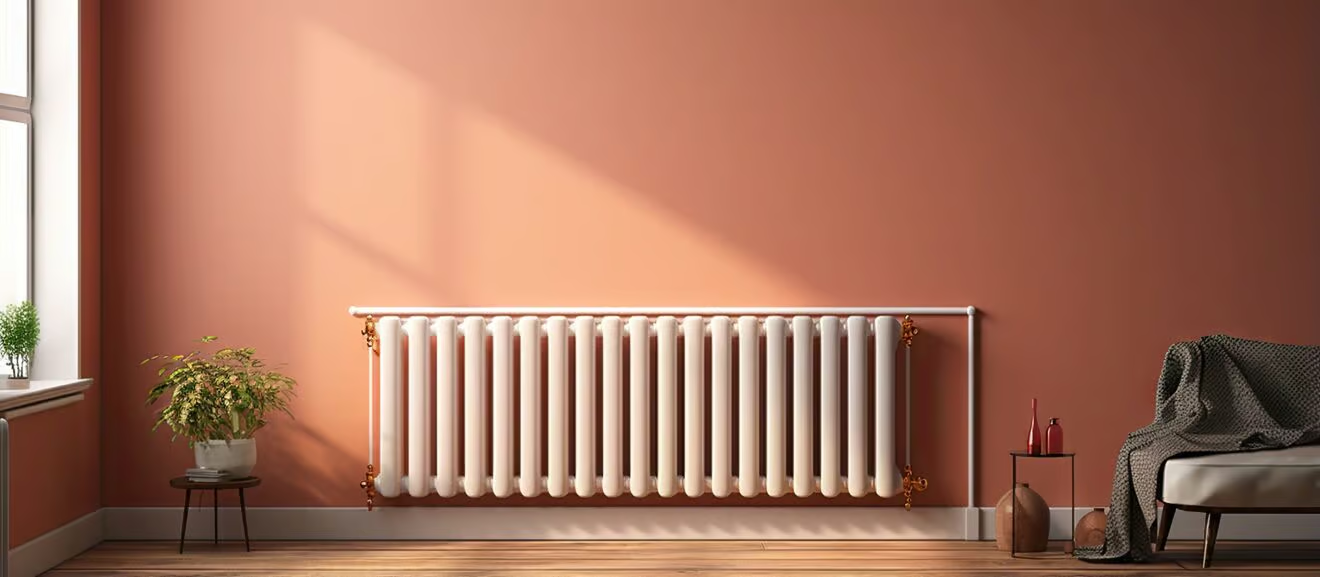
Radiator heating uses a boiler to heat water or steam. The hot water or steam travels through pipes to radiators positioned throughout the home, and those radiators release heat into the room. The warmth spreads gently, heating walls, floors, and air over time rather than in one fast blast. This is the system you will find in a large number of older Toronto homes, particularly those built before the 1950s, and even in prime neighbourhoods like Roncesvalles, Bloor West Village, and High Park.
Forced air heating works differently. A furnace heats air using gas, electricity, or a heat pump, and then pushes that warm air through a network of ducts and vents to each room in the home. It is a faster system and one that most buyers are more familiar with since it has been the standard in new construction for decades.
Neither system is inherently better than the other. They each have real strengths and real trade-offs, and the right choice depends on the home you are buying, how you live, and what you value most in a heating system. Understanding both is the first step to making sense of any older Toronto home.
There’s no need to stress! If you’re worried about something specific in a home you’re thinking about buying, check out other posts in our DON’T PANIC series:
- Buying a Home with Old Windows is Not as Bad as You Think
- How to Understand a Home Inspection on an Old House
- 5 Facts to Know About Knob and Tube Wiring
- 4 Facts to Know About Asbestos
What Is A Heat Pump?
Before getting into the comparison, it is worth understanding heat pumps since they come up more and more in conversations about Toronto homes. A heat pump is a system that moves heat rather than generating it. In winter, it draws heat from the outside air and transfers it inside. In summer, it reverses the process, pulling heat out of your home to cool it down. Think of it as a reversible air conditioner that handles both heating and cooling from a single unit.
Heat pumps run on electricity and are significantly more energy-efficient than traditional furnaces because they are moving heat rather than burning fuel to create it. Newer cold-climate models are now designed to handle Toronto winters effectively, which was a limitation of older heat pump technology. Some homes use a hybrid setup that pairs a heat pump with a gas furnace, switching between the two depending on outdoor temperature for maximum efficiency and comfort.
Heat pumps typically cost more upfront than a basic furnace, but they can reduce energy bills meaningfully over time, especially if you are replacing electric baseboard heaters or an older electric furnace. They are increasingly popular in Toronto as homeowners look to reduce their reliance on gas and lower long-term energy costs.
Want to be the first to know about new listings, market commentary, trends, design inspo, and West End community updates? Subscribe to our newsletter and get The West End Scoop delivered directly to your inbox!
What Each System Does Well & Where It Falls Short?
Radiator heating has a lot going for it that often surprises buyers who have only ever lived with forced air. The heat is steady and even, it runs quietly, and it does not blow dust, allergens, or dry air around your home. Many people find radiator heat more comfortable, particularly in winter when forced air systems can make indoor air feel parched. Radiator systems also tend to be efficient over time since they lose less heat than forced air systems, which can bleed energy through duct leaks.
The drawbacks are real though. Radiators take up wall space in each room, and because the system heats slowly, you will not get that instant warmth you might be used to with forced air. In larger, open-concept layouts, the heat distribution can feel less even. And the biggest practical concern for many buyers is that radiator systems do not handle cooling. If you want central air conditioning, you will need a separate system entirely, most commonly ductless mini-splits installed room by room, or window units. That adds cost and complexity, and it is something to factor into your budget if summer comfort matters to you.
Forced air heats quickly and distributes warmth more evenly across larger, open spaces. It works especially well in bigger homes and, critically, it allows you to connect central air conditioning or a heat pump to the same duct system. That flexibility is a significant advantage if you want both heating and cooling handled by one integrated system.
The trade-offs are worth knowing. Forced air systems can make indoor air feel dry, particularly in winter, and they circulate dust and allergens if the filters are not maintained properly. Temperature distribution can also be uneven, with some rooms feeling warmer or cooler than others depending on how the ductwork is laid out. And the system is only as good as the ducts it runs through. Older duct systems, like those found in some Toronto homes, can lose a meaningful amount of heat before the air ever reaches the room.
West End Toronto has some of the most beautiful older homes in the city. If you’re thinking about buying an older home, here are a few more posts you might find interesting:
- Are there Century Homes in West Toronto?
- What to Look For When Buying an Older Home
- Red Flags to Look For When You’re on the House Hunt!
Radiator vs Forced Air: What Fits Your Home & Lifestyle?
If you prefer consistent, quiet heat and better air quality, radiator heating is a strong option. It is common in older Toronto homes and works especially well in homes with enclosed, smaller floor plans typical of pre-war construction. If you are someone who runs hot, does not mind window units or mini-splits for cooling, and loves the character of an older home, radiators are nothing to fear.
Forced air is probably the better fit if you want fast, even heating across larger or more open spaces, if you already have ductwork in place, or if you want the option to add central air conditioning without a major separate investment. It also makes transitioning to a heat pump relatively straightforward since the duct infrastructure is already there.
When thinking about running costs, gas furnaces are generally the most affordable to operate in Toronto where natural gas is widely available. Electric furnaces cost less to install but tend to have higher monthly bills. Heat pumps are more expensive to install than a furnace but cheaper to run over time, and in a hybrid setup paired with a gas furnace, they offer strong performance even on the coldest days while keeping energy costs in check.
Ready to start your home-buying journey? Book a buyer’s consultation with us and learn how to get the process started.
Is Forced Air Gas or Electric?
This is a question that comes up often, and it is worth clarifying. Forced air refers to the delivery method, meaning warm air pushed through ducts, not the fuel source. The furnace that generates that heat can run on natural gas, electricity, or function as a heat pump. These are three different things and they have meaningfully different costs and efficiencies.
Gas furnaces are the most common in Toronto and are cost-effective where natural gas is available, which covers most of the city. Electric furnaces are simpler to install and do not require a gas line, but they typically result in higher monthly energy bills. Heat pumps run on electricity as well but are far more efficient because they are moving heat rather than generating it from scratch. If a home already has ductwork and you are thinking about a long-term energy-efficient upgrade, a heat pump is increasingly worth the conversation with a licensed HVAC contractor.
Planning on making other changes to your home? Here are a few more posts to check out next:
- Old Soul, New Style: 5 Ways to Blend Original Charm with Modern Updates
- Cost of Renovations: Read this Before You Sell or Buy an Older Home
So… Which One Should You Choose?
Both systems are common across the city. If your home already has radiator heating, there’s no need to panic or rush into converting. Radiators offer consistent heat, quieter operation, and better indoor air quality during dry winter months.
If your home has ductwork or you’re planning a major renovation, forced air may be the better long-term investment. It gives you flexibility to add cooling or transition to a high-efficiency heat pump later.
Electric furnaces are straightforward but costly to run. Gas furnaces remain a reliable and cost-effective option. Hybrid systems that pair a gas furnace with a heat pump can give you the best of both—lower energy bills and strong performance in cold weather.
Warm Is Warm. Just Know What You’re Getting
Don’t panic. Radiator heating and forced air both work. Each has strengths and trade-offs. Radiators provide quiet, consistent warmth and cleaner air. Forced air offers fast heating and better integration with cooling options like heat pumps.
Choose the system that fits your home, your needs, and how you actually live. If you want gentle heat with low dust, radiators deliver. If you need power, speed, or central cooling, forced air makes sense. You don’t need to start from scratch. You just need to know what your home has, what it needs, and what you value most.
Do you have questions about buying a home in Toronto’s West End? We’re here for you! Get in touch today by filling out the form on this page, calling us at 416-909-1602, or emailing us at hello@getnested.ca.
Buying or Selling in the West? We Can Help!
Thinking about making a move? Click here to get in touch and request a Buyer or Seller consultation.